 Inside the worst ransomware outbreak in history, and how to protect yourself
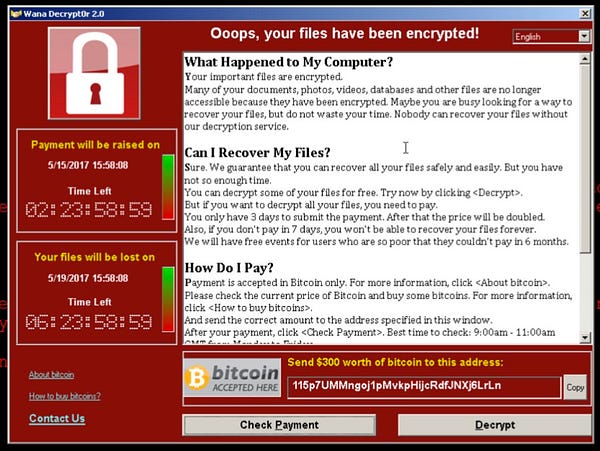
Over the weekend, hundreds of thousands of computers were infected with the "WannaCry" ransomware, in what Interpol is calling the largest ransomware outbreak in history. People who are unlucky enough to get infected will see a threat on their computer that looks like the image above. Here's how ransomware works:
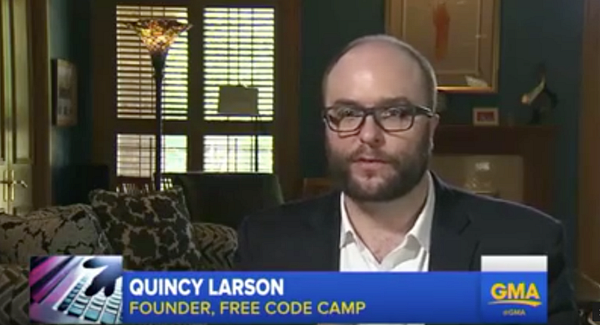
In WannaCry's case, after 3 days, it escalates the demand to $600. Then after a week, it claims the data will be lost forever. This said, 7 days haven't yet passed, so we don't yet know whether the attackers will carry through on this threat. As far as we know, only computers that are running Windows are vulnerable to WannaCry. But it's a particularly nasty piece of ransomware in that only one person on a network needs to download it. From there, it can spread through local networks automatically, using ports normally reserved for network file sharing. WannaCry is able to do this thanks to an exploit called EternalBlue that may have been developed by America's own National Security Agency (NSA), then leaked last month by hacker group The Shadow Brokers (2 minute read). Due its particularly virulent nature, WannaCry shut down several organizations over the weekend, including much of Britain's National Health Service — preventing doctors from being able to use MRI machines, and even turning off the storage refrigerators that kept donated blood cool. This morning, I went on ABC's Good Morning America. They interviewed me about ransomware, and asked me what ordinary people can do to protect themselves (2 minute watch).
Here are my basic tips:
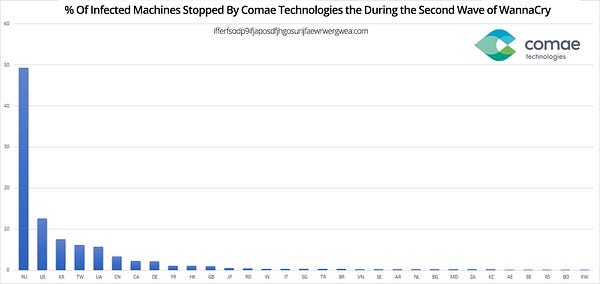
If your computer gets infected with ransomware, and you don't have backups of your files, you may want to go ahead and pay the ransom. While this rewards the criminals, it's a small price to pay for saving irreplaceable files, such as family photos. Remember that without the cryptographic key, even the most powerful governments in the world have no way of helping you unlock your files. Microsoft discovered the vulnerability that WannaCry exploits back in March, and they've released patches for all recent operating systems. In the case of WannaCry, if you have a version of Windows from the past five years, and auto-update is turned on, your computer shouldn't be at risk. But if you're still using older versions of Windows, like the 16-year-old Windows XP, you should definitely go download the patch. Here are the directions for this: (2 minute read) WannaCry hit Russia the hardest. Cybersecurity consultancy Comae estimates that nearly half of infections occurred there.
Yesterday, new variants of WannaCry started cropping up: (4 minute read). The NSA, CIA, and other government agencies currently devote about 90% of their cybersecurity resources to offensive cyber attacks: (4 minute read). Many developers are outraged that government agencies have been stockpiling these vulnerabilities, instead of alerting software publishers about them, so that they can quickly patch these bugs. As the saying goes, sometimes the best offense is a good defense. And that's precisely the strategy that many developers hope governments will adopt. Either way, the ransomware situation will get much worse before it gets better. So stay safe out there! Here are three other links worth your time (also about ransomware):
Thought of the day:"Security is a process, not a product." — Bruce Schneier Funny of the day:
Webcomic by lunarbaboon.com Study group of the day:
Happy coding! – Quincy Larson, teacher at freeCodeCamp If you get value out of these emails, please consider supporting our nonprofit. |
 |
Tuesday, 16 May 2017
Inside the worst ransomware outbreak in history, and how to protect yourself



Subscribe to:
Post Comments (Atom)
No comments:
Post a Comment